Foreshots – “the low boiling point compounds that come out of the still first. They contain acetone, methanol, various esters and aldehydes, and other volitiles. Foreshots are to be considered poisonous and should be discarded.”
What is the worm in making moonshine?
Online sources confirm that the pecker used in the moonshine distilling process is a penis bone of a racoon. “It’s placed in the outlet of a moonshine still to help the distillate to flow smoothly into the collection vessel. “ The small bone is sterilised and used to transfer the moonshine from the still into the jar.
Can you use aluminum to make moonshine?
Aluminum does not distill, so none of it will end up in your distillate. Its not an ideal material, you can’t solder to it well, etc.
How do you make a whiskey still?
How to Make a Still at Home
Supplies for Making a DIY Still. Step 1: Drill a 1/8-inch Hole on the Aluminum Pot. Step 2: Wrap the Thermometer with Teflon Tape. Step 3: Place the Thermometer in the Hole. Step 4: Secure the Thermometer with Hot Glue. Step 5: Drill a 3/8-inch hole in the Pot Lid. Step 6: File as Needed.
How much Heads do you throw out?
Always discard the foreshots — they make up around 5% or less of the product collected during a run. Throw out the first 30 ml on a 1 gallon run, the first 150 ml on a 5 gallon run, or the first 300 ml on a 10 gallon run. Heads come off of the still directly after the foreshots. Simply put, they taste and smell bad.
How much methanol do you throw out?
Additionally, commercial distillers have determined that simply discarding a standard amount per batch, based on batch size, is enough to keep things safe. The rule of thumb is to discard 1/3 of a pint jar for every 5 gallons of wash being distilled.
What are heads in moonshine?
Heads: Spirits from the beginning of the run that contain a high percentage of low boiling point alcohols and other compounds such as aldehydes and ethyl acetate. Hearts: The desirable middle alcohols from your run. Tails: A distillate containing a high percentage of fusel oil and little alcohol at the end of the run.
Why is it called a still?
A still is a tool used to clean a liquid. It does this by first boiling the liquid and turning it into a gas. This gas is then cooled, changing it back into liquid. Stills get their name from the word distillation.
What is the point of a thump keg?
The thump keg is one of the most clever and iconic design elements of the traditional hillbilly still whose purpose, briefly stated, is to distill the output of the pot still a second time, without actually having to run the distillate through the still twice.
Do you freeze moonshine?
Freezing moonshine usually isn’t recommended or necessary – or even possible. Most hard liquor needs exposure to a temperature of at least -150 degrees before it’ll freeze. Considering moonshine is among the highest-proof spirits in existence, the standard home freezer simply isn’t strong enough to freeze it.
Why is copper used for moonshine stills?
Copper Distillers
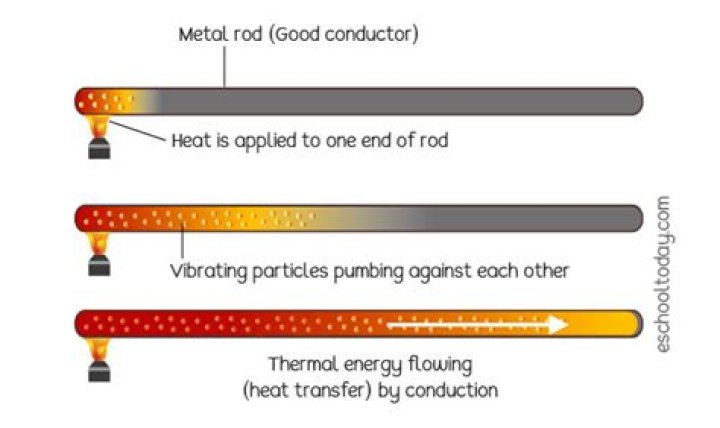
The reasons that copper is often used for distilling are as follows: it is a great conductor of heat, it will remove sulfur compounds, and is an easy metal to work with. The main drawbacks of copper are higher cost and the fact that they are more difficult to keep clean.
How much will a 5 gallon still produce?
A 5 gallon run will yield 1-2 gallons of alcohol. A 8 gallon run will yield 1.5-3 gallons of alcohol.
Why is moonshine illegal?
You may wonder why moonshine is historically illegal. Undocumented distilled spirits production quickly became illegal and the reason is – as usual – money. The United States taxed spirits as early as George Washington’s time.
Why are stills made of copper?
Copper is the preferred material in the construction of a still to impart flavor into the distilled spirits. According to Broadslab Distillery, both stainless steel and copper are excellent conductors of heat: dispersing the heat evenly across the entire surface of the metal and creating a more even distillation.
How many years scotch Whisky must be in barrels?
All Scotch whisky must be aged in oak barrels for at least three years. Any age statement on a bottle of Scotch whisky, expressed in numerical form, must reflect the age of the youngest whisky used to produce that product.